October 15th 2023
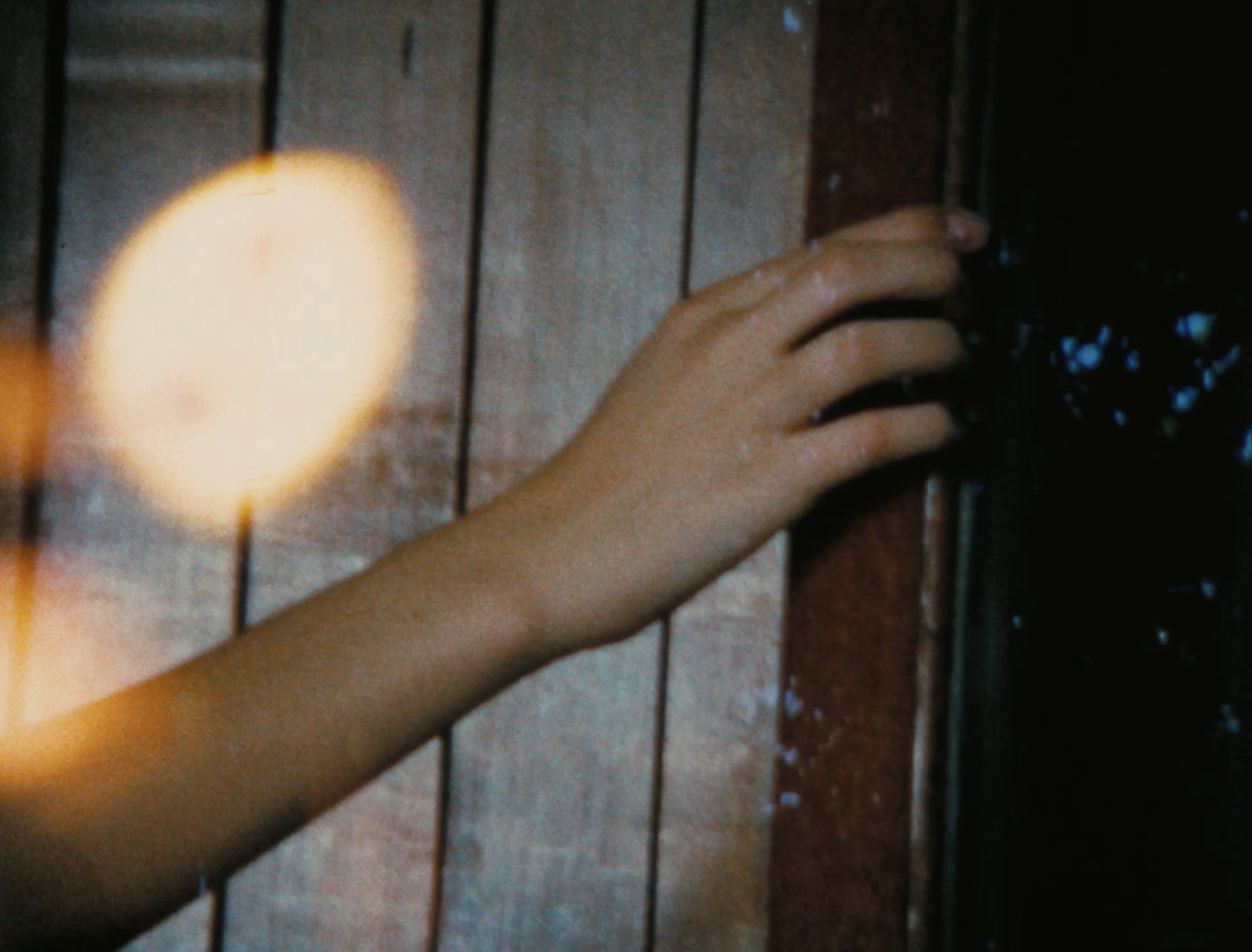
Still – Easter Morning
Realist. Surrealist. Hippie. Punk. Bruce Conner (1933–2008) was all of these and more. A pioneer in experimental film, collage, photography, conceptual works, and paintings, he challenged the limitations of medium, genre and style. Conner’s work touches on themes of postwar American society, from consumer culture to the dread of nuclear apocalypse. In his filmmaking, Conner developed a quick-cut method of editing that defined his oeuvre. One of the founding artists of found footage films, he incorporated material from a huge variety of sources—countdown leaders, training films, newsreels—and adding later his own shot film.
A MOVIE (1958, 16mm to DCP, black + white, sound, 12 min)
Made up of discarded 16mm films purchased at flea markets or scavenged from camera shops A MOVIE has been described by many as the first contemporary found footage film. The film orchestrates a virtual symphony of disasters;car crashes, explosions, war, famine, as well as serene moments of grace; a tightrope act, a plane floating through clouds, light reflected on water. Crafted with care and absolute precision.
THE WHITE ROSE (1967,16mm to DCP, black+white, 7min)
A film which documents the removal of an iconic painting/sculpture by artist Jay DeFeo from her apartment. The White Rose weighed nearly 100kg and took eight years to make. An affectionate record of a key moment in Beat Generation art history.
EASTER MORNING, (2008, 8mm/digital to DCP, color/sound, 10min)
Conners final film.The notion of Easter morning as a manifestation of the end and simultaneously an eternal becoming, a work that hovers between the analog past and the digital present, in anticipation of futures unknown.
CROSSROADS (1976, 35mm to DCP, black + white, sound, 36min)
Conner released CROSSROADS, his magnum opus, as an assemblage of U.S. government footage of the iconic Bikini Atoll atomic bomb test. Conner re-invented his own found footage genre with this film. His editing of the film’s brilliant “dual” score – by minimalist composer Terry Riley and synthesizer pioneer Patrick Gleeson – evokes a surreal beauty latent in the devastating images that comprises one of the most profound meditations on nuclear power and all that it brings.
 Greg Pope.